COVER
Tove Lo
Embracing The Unknown
By Sophie Cino
Publishing date: Jun 23, 2026
T
There’s a word Tove Lo keeps circling back to: contradiction. It’s in the album title, in the press notes, in the way she talks about her own life. Estrus, named for an animal being in heat, is framed as primal contradiction and emotional chaos. It’s also, more simply, an honest document of not knowing.
“I feel like I’m in some kind of metamorphosis,” she says, “but I don’t really know what it is.”
That uncertainty is the subject of the record. At a point in her life when she’s been told she should have things figured out, the Swedish pop artist finds she doesn’t. Not where she’ll live, not what she wants her future to look like, not whether she’s ready for the things she keeps being asked to decide on. “Maybe you need to have a child. Maybe you need to decide where you’re going to live for the rest of your life,” she says, listing the chorus of expectations that orbit this particular stage of womanhood. She hears them. She can’t honestly say she’s met them.
Estrus doesn’t resolve that tension. It just holds it.
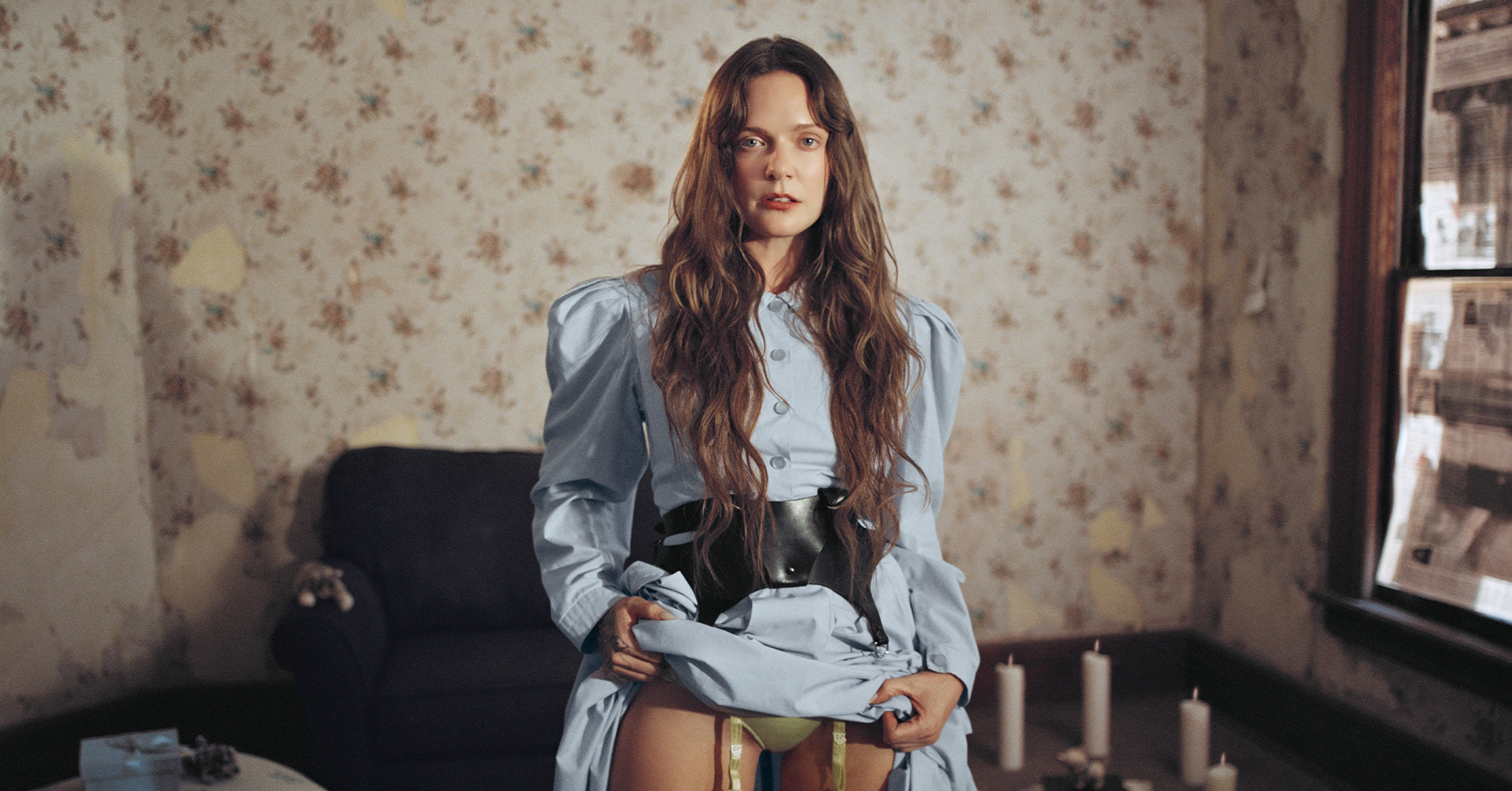
There’s a word Tove Lo keeps circling back to: contradiction. It’s in the album title, in the press notes, in the way she talks about her own life. Estrus, named for an animal being in heat, is framed as primal contradiction and emotional chaos. It’s also, more simply, an honest document of not knowing.
“I feel like I’m in some kind of metamorphosis,” she says, “but I don’t really know what it is.”
That uncertainty is the subject of the record. At a point in her life when she’s been told she should have things figured out, the Swedish pop artist finds she doesn’t. Not where she’ll live, not what she wants her future to look like, not whether she’s ready for the things she keeps being asked to decide on. “Maybe you need to have a child. Maybe you need to decide where you’re going to live for the rest of your life,” she says, listing the chorus of expectations that orbit this particular stage of womanhood. She hears them. She can’t honestly say she’s met them.
Estrus doesn’t resolve that tension. It just holds it.

The album took shape across three different locations: Los Angeles, Stockholm, and a small fishing village in southern Sweden where Tove Lo spent summers as a child. That last setting proved the most revealing. Going back in the offseason, with no people around and only a collaborator for company, stripped away the accumulated persona.
“I feel like I can strip off all the layers I’ve added over the years and get to the core,” she says. “It’s easier to see yourself in an honest light.”
The record is her sixth, and making it meant confronting a kind of creative paralysis she hadn’t encountered before. After the longest gap between releases of her career, she felt the album needed to say something more than it simply felt. Needed a message. A point of view. A thesis.
She couldn’t find one.
“Once I was just like, I don’t know. I’m just me.” The breakthrough came on the second night in the studio, when she wrote down a phrase that became the record’s guiding principle: a lot of feelings, no solutions. That stayed with her as a mantra through the whole process.
The body-versus-mind tension runs through Estrus in particular ways. Tove Lo describes feeling like her body is ready for what she calls “the final boss of adventures,” which for her means having a child, while her mind keeps pulling back. It’s a tension she suspects resonates with women who are the breadwinners, deeply independent, and unready to tie their lives to someone else in that specific way.
“I think having a kid with someone is the most vulnerable thing you can do,” she says. “And for some reason, even though it’s a beautiful thing, it really scares me.”
She’s careful not to tie that up either.
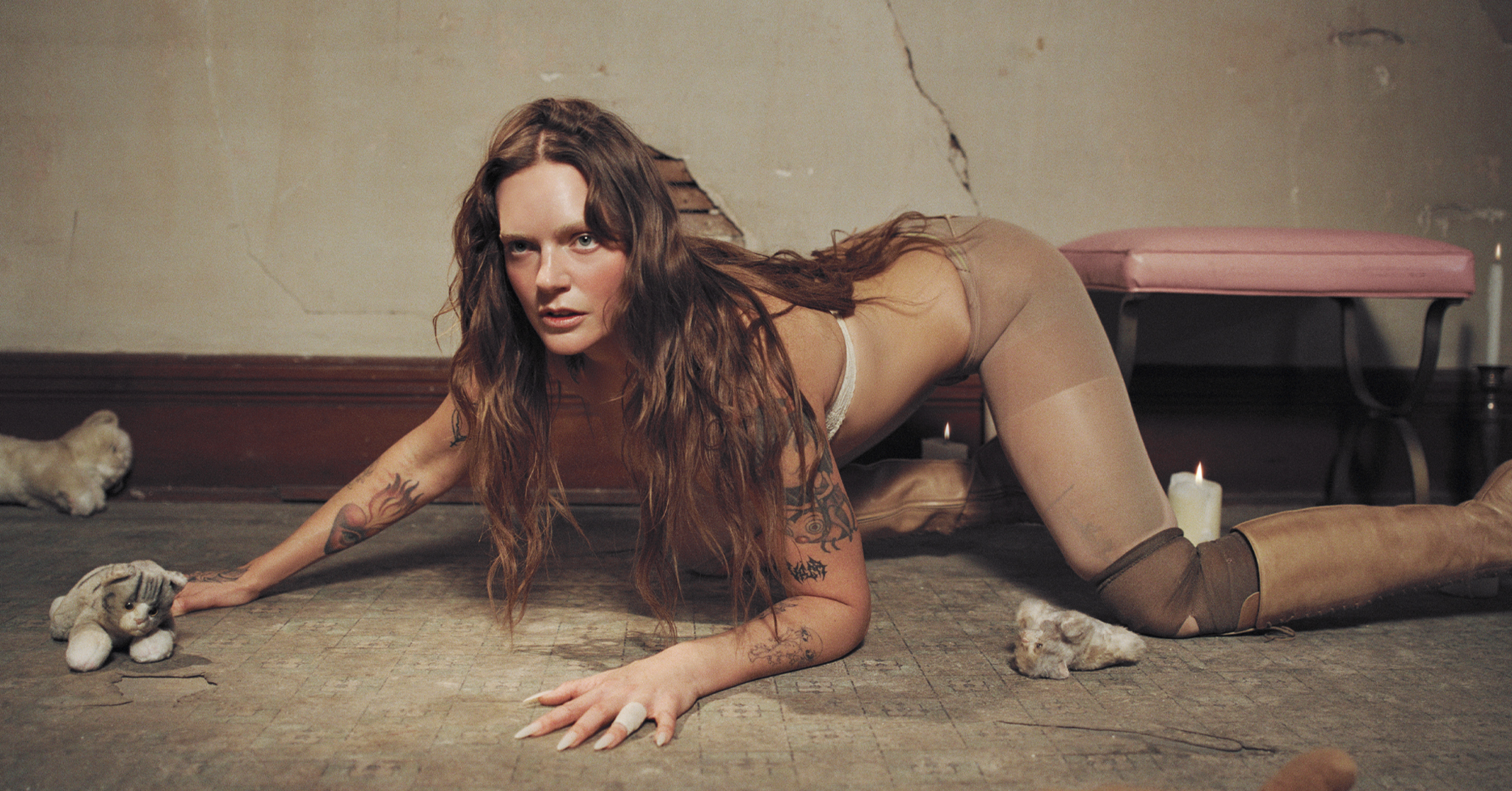
Tove Lo has built her career on candor. Her music says things out loud that most people keep quiet, and the honesty has always been the point. What’s changed, she says, is the nuance.
Preparing for an upcoming tour, she’s been listening back through all her old records to build a set list. Some of what she finds there is narrower than she remembered. “My truth back then, with some perspective, was more nuanced than I explained it in the song,” she says. That complexity has worked its way into how she writes now. “If you think about every song as a human being, there are nuances and gray areas. Two things can be true at once.”
It’s a quieter kind of honesty than she was working with at the start, less about saying the unsayable and more about saying it accurately.
The upcoming shows are some of the biggest headline dates of her career, and she’s thinking about how to hold both scale and intimacy at once. “I’m going to work really hard to make sure there are moments in the show that feel intimate,” she says. She’s also excited to use the volume of a larger room.
She talks about what she wants from her audiences the way she talks about what she wants from her writing: people allowed to be themselves, unguarded, having a moment that belongs to them.
“At least there is one space where you can go to a show and let everything out,” she says. It’s something she’s thought about since she was going to shows herself.
The one thing she admits she’s never figured out is balance. Life on tour has no routines, and she’s fine with that. “I hate having something I have to do every day,” she says. “So no, I don’t have balance on tour.”
She says the only time she feels real inner calm is right after coming offstage. The euphoria and the quiet that follow a show. She hasn’t toured in a long time. She can’t wait to feel that again.
