COVER
Sofia Camara
Letting It All Happen
By Sophie Cino
Publishing date: Jan 16, 2026
S
Sofia Camara doesn’t romanticize the climb, but she doesn’t downplay it either. She talks about growth the way someone does when they’ve lived every inch of it; slowly, privately, sometimes painfully. “I’ve cried more this year than I ever have,” she admits, half-laughing, half-owning it. “But it’s healing. You don’t realize how much you need it until you let it all out.”
The past year has been the biggest of her career so far, a sentence that reads cleanly on paper but feels heavier when you hear her say it out loud. For Sofia, success didn’t arrive as one explosive moment. It crept in quietly, in sold-out rooms, in strangers finishing her lyrics, in the realization that people were showing up, really showing up, for something she once made alone.
If there was a turning point, she traces it back to her first headline tour. “That was the biggest highlight,” she says without hesitation. Not because of the numbers, but because it made everything real. Night after night, stepping onstage to rooms full of people who knew the words better than she expected, who felt less like an audience and more like something familiar. “It felt like they’d always been there,” she says. “Like best friends, like family.”
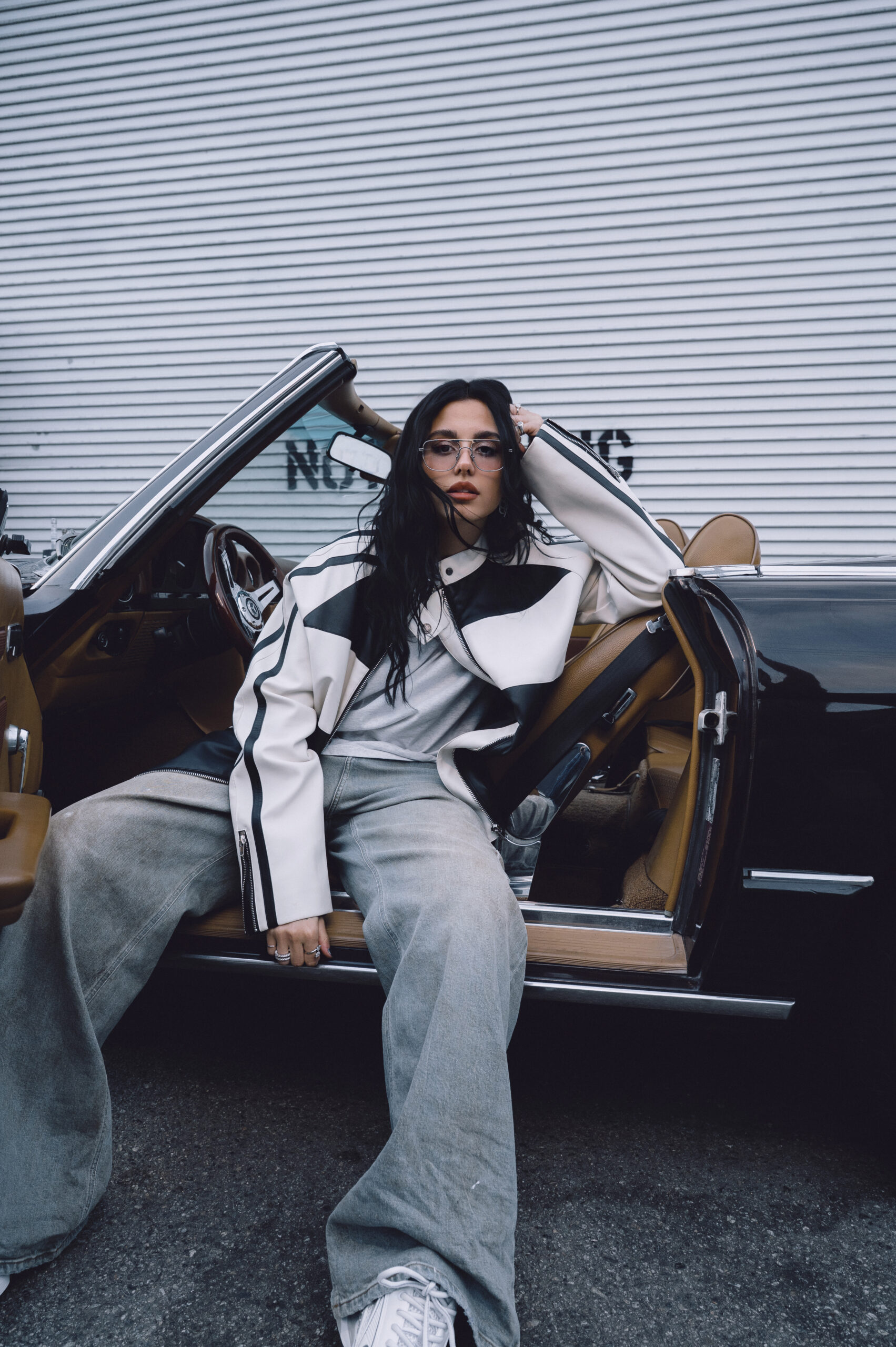
Sofia Camara doesn’t romanticize the climb, but she doesn’t downplay it either. She talks about growth the way someone does when they’ve lived every inch of it; slowly, privately, sometimes painfully. “I’ve cried more this year than I ever have,” she admits, half-laughing, half-owning it. “But it’s healing. You don’t realize how much you need it until you let it all out.”
The past year has been the biggest of her career so far, a sentence that reads cleanly on paper but feels heavier when you hear her say it out loud. For Sofia, success didn’t arrive as one explosive moment. It crept in quietly, in sold-out rooms, in strangers finishing her lyrics, in the realization that people were showing up, really showing up, for something she once made alone.
If there was a turning point, she traces it back to her first headline tour. “That was the biggest highlight,” she says without hesitation. Not because of the numbers, but because it made everything real. Night after night, stepping onstage to rooms full of people who knew the words better than she expected, who felt less like an audience and more like something familiar. “It felt like they’d always been there,” she says. “Like best friends, like family.”

Born in Portugal and raised in Toronto, Canada, Sofia carries both places with her, one grounding her, the other giving her permission to dream loudly. Toronto, with its sprawling size and deep musical diversity, gave her confidence. Portugal keeps her rooted. “Remembering where you’re from matters,” she says. “It keeps you honest.” That balance shows up everywhere: in the way she writes, the way she performs, the way she refuses to disconnect from the version of herself that once sang for local commuters underground.
Before the charts, before the tours, there were subway stations. Covers posted online. Strangers walking past, some stopping, some not. “It taught me not to care,” she says simply. Not in a detached way, but in a freeing one. “You’re vulnerable, and you realize most people aren’t judging you the way you think they are.” It was rejection therapy before she knew the term, a crash course in confidence and connection. “Sometimes it was just about seeing someone smile. That was enough.”
That same honesty fuels her music now. “Girls Like You”, a song that would go on to define the 2025 charts, didn’t feel destined for that kind of reach when she first released it. She loved it regardless of the outcome but the success surprised her. Not because she didn’t believe in the song, but because reality hits differently than ambition, “When it actually happens, you’re like, ‘Oh my God… it’s happening,’” she says. “You want it, but you don’t always expect it.”
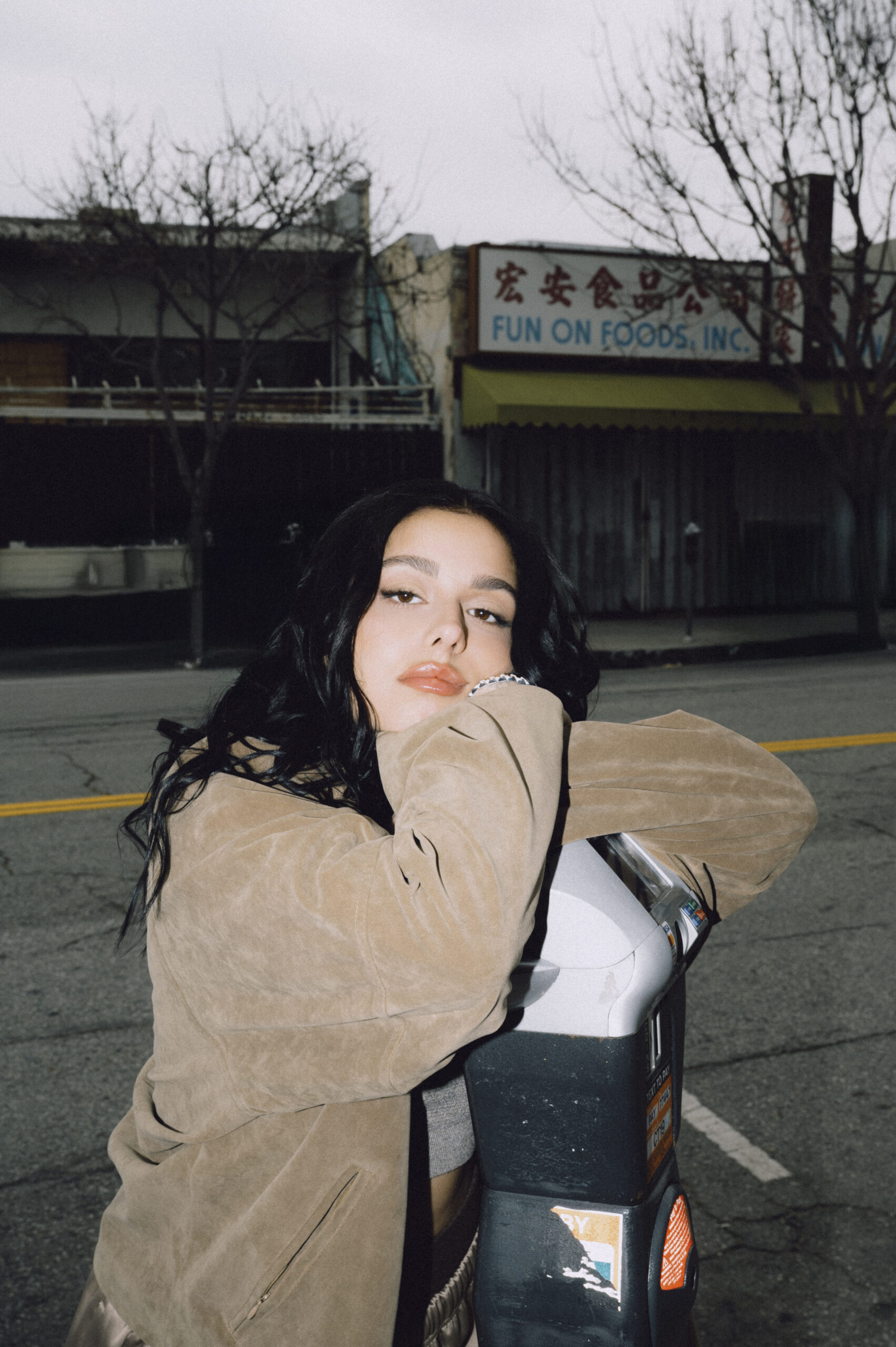
Her recent project, Hard to Love, marks a clear evolution from her debut EP not just sonically, but emotionally. Songs written four or five years ago now feel like artifacts from another life. “I was a different person,” she admits. “The stories were different. I was more guarded.” Where the debut felt exploratory, Hard to Love feels present, grounded in who she is right now. “I wasn’t afraid to say exactly how I felt anymore.”
Tracks like “ingrained” and “complicated” live in that uncomfortable space, the one she’s learned to trust. “You should share the parts that scare you a little,” she says. Writing about something while it’s still fresh, still messy, still unresolved. “Those are the moments where everything feels like it’s falling apart, and that’s when the truth comes out.” She knows those feelings might change months later, but that doesn’t make them less real. “That’s the emotion you capture. That’s the point.”
Watching Stevie Nicks command arenas night after night when she opened up her concerts only reinforced that belief. “It was like watching magic,” Sofia says. “You don’t know how it happens, but you’re just in awe.” Seeing a woman hold that kind of power, that kind of presence, left a mark. “It reminded me why I do this. Loving what you do matters. Putting everything into it matters.”

For all the momentum, millions of monthly listeners, international crowds, sold-out shows, staying grounded is still an active practice. Sometimes it looks like talking herself down from future-focused anxiety. Sometimes it looks like crying. “I have breakdowns every couple of weeks,” she says candidly. “Then I’m like, ‘Okay, we’re good. Let’s go.’” Perspective comes from looking back as much as forward, remembering the first video she posted online, being thrilled by a thousand views. “Not enough people talk about how important that is.”
I asked her if this is what thirteen-year-old Sofia imagined, and she answers immediately. “Yeah. A hundred percent.” Maybe not the scale (thousands of people instead of five) but the feeling is the same. Singing anywhere. Singing for anyone. The joy hasn’t changed.
Looking ahead to 2026, she’s letting go of rigid expectations. No forced plans. No pressure to manufacture moments. “I’m just allowing things to happen,” she says. Writing without an agenda. Creating without trying to control the outcome. “And having fun. That’s the goal.”
As a Canadian artist gaining global traction, the pride runs deep. Her family is here. Her roots are here. “This is where it all started,” she says. “I owe something to that.”
If someone finds her music for the first time now, she hopes it feels like a hand reaching out in the dark. “You’re probably going through something,” she says softly. “I just want people to feel welcomed. Not alone.” Heartache, she knows, comes in many forms. Healing takes time. Grace matters.
When asked what advice she’d give her younger self, she pauses. Then keeps it simple. “Be nice. Stay kind. Love with your whole heart.” She believes in showing up for people, in loving openly, in choosing compassion over fear. It’s advice that feels less like hindsight and more like a mission statement.
Sofia Camara’s story isn’t about overnight success or sudden reinvention. It’s about growth you can feel, honesty you can hear, and a connection that was built slowly, song by song, moment by moment. She didn’t force this chapter into existence. She let it happen, and that might be the most powerful thing of all.
Photographer: Eric Daniels
